

The rising temperatures and increased demand for energy-intensive cooling systems have encouraged households and businesses to explore greener and more sustainable options. One of the most practical ways to upgrade to eco-friendly cooling is by taking advantage of the air conditioning rebate. This rebate helps ease the financial burden associated with transitioning to modern high-efficiency air conditioners that reduce energy consumption, improve comfort, and contribute to a lower carbon footprint. For homeowners and business owners looking to switch to sustainable cooling solutions, understanding how the rebate works is crucial. Initiatives like the Air Conditioning Rebate have made the pathway to cleaner cooling more accessible and financially viable.
Why Transition to Green Cooling?
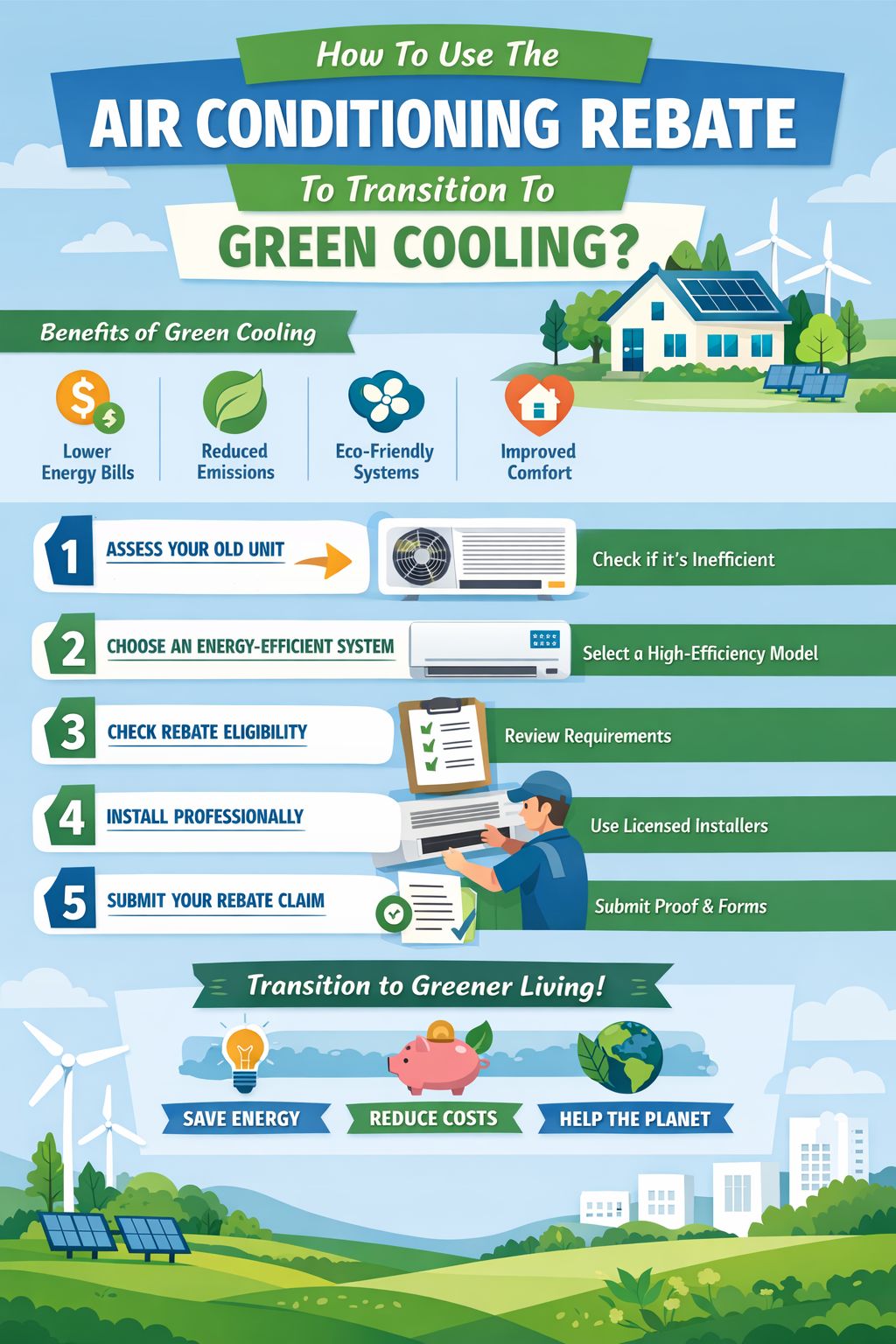
Green cooling refers to systems that require less electricity, produce fewer emissions, and offer improved performance through advanced engineering and smart technology. The benefits include:
- Reduced energy bills
- Lower greenhouse gas emissions
- Quieter operation and improved comfort
- Enhanced equipment lifespan
- Contribution to environmental conservation
Upgrading to an energy-efficient air conditioner may also improve indoor air quality and create a more stable cooling environment during peak heat periods.
How The Rebate Supports Sustainable Cooling
Government rebate schemes are designed to accelerate the adoption of green technologies. The Air Conditioning Rebate in Melbourne assists residents and businesses by subsidising the purchase and installation of high-efficiency cooling systems, making the transition more accessible to a wider demographic. The programme reduces upfront costs, which are often the most significant barrier preventing households from upgrading outdated units.
Steps To Maximise the Air Conditioning Rebate
Step 1: Assess Your Existing Cooling Unit
Before applying for the rebate, assess whether your current air conditioning system is outdated, inefficient, or consuming excessive electricity. Older models typically have lower energy ratings and higher operational expenses, making them ideal candidates for replacement.
Step 2: Choose A High-Efficiency Green Cooling System
To qualify for most rebate programs, the new system must meet minimum energy performance standards. Energy Star ratings are a reliable metric to determine efficiency. In addition to improved efficiency, modern systems use environmentally friendly refrigerants that assist in reducing harmful emissions.
Step 3: Check Eligibility Requirements
Not all households or units may qualify. Eligibility may depend on location, system type, installation date, or property category. For example, the Air Con Rebate in Melbourne may vary across residential and commercial contexts, so reviewing program guidelines is important to avoid delays.
Step 4: Complete Approved Installation
The installation must be completed by licensed professionals to maintain warranty and compliance standards. Professional installation ensures that the system operates at optimal efficiency, further reducing energy consumption.
Step 5: Submit Rebate Documentation
After installation, participants must submit the appropriate paperwork. This may include invoices, proof of purchase, serial numbers, and installation certificates. Timely submission ensures smooth rebate processing.
Transitioning to green cooling through the Air Conditioning Rebate is an effective way to reduce energy consumption, minimise environmental impacts, and enhance indoor comfort. By selecting efficient air conditioning systems, meeting eligibility criteria, and working with trusted professionals, households and businesses can enjoy both financial and environmental benefits.
Book An Appointment Today
Upgrade to sustainable cooling with confidence. Contact Green Source today to explore rebate-eligible air conditioning solutions and begin your transition to greener living. Contact us at 1300 313 303 or email us at info@greensource.net.au

